Chapter 2 - Strahd, the Soldier-General
"I was a soldier, good and just. I thundered across the land like the wrath of a just god… “
“… but with none of a just god’s grace.”
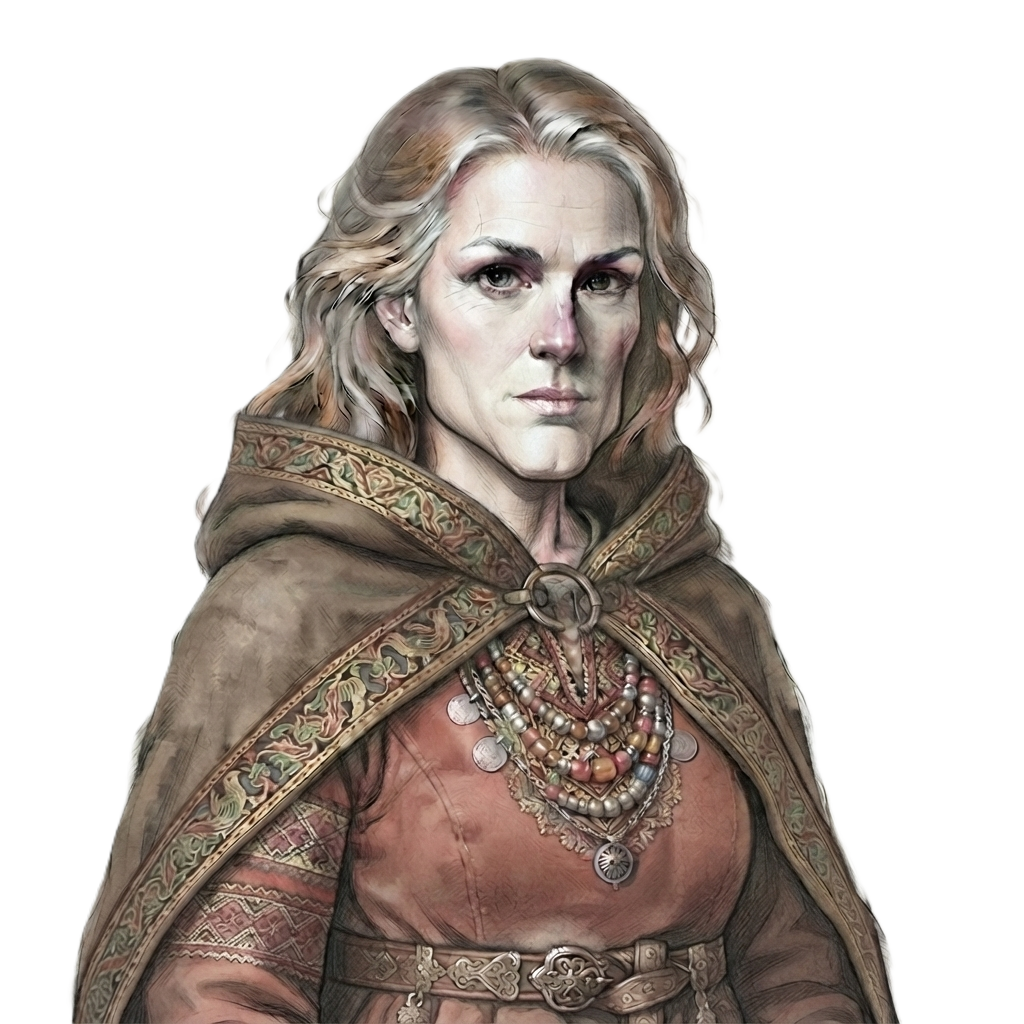
Ilhona Markovia
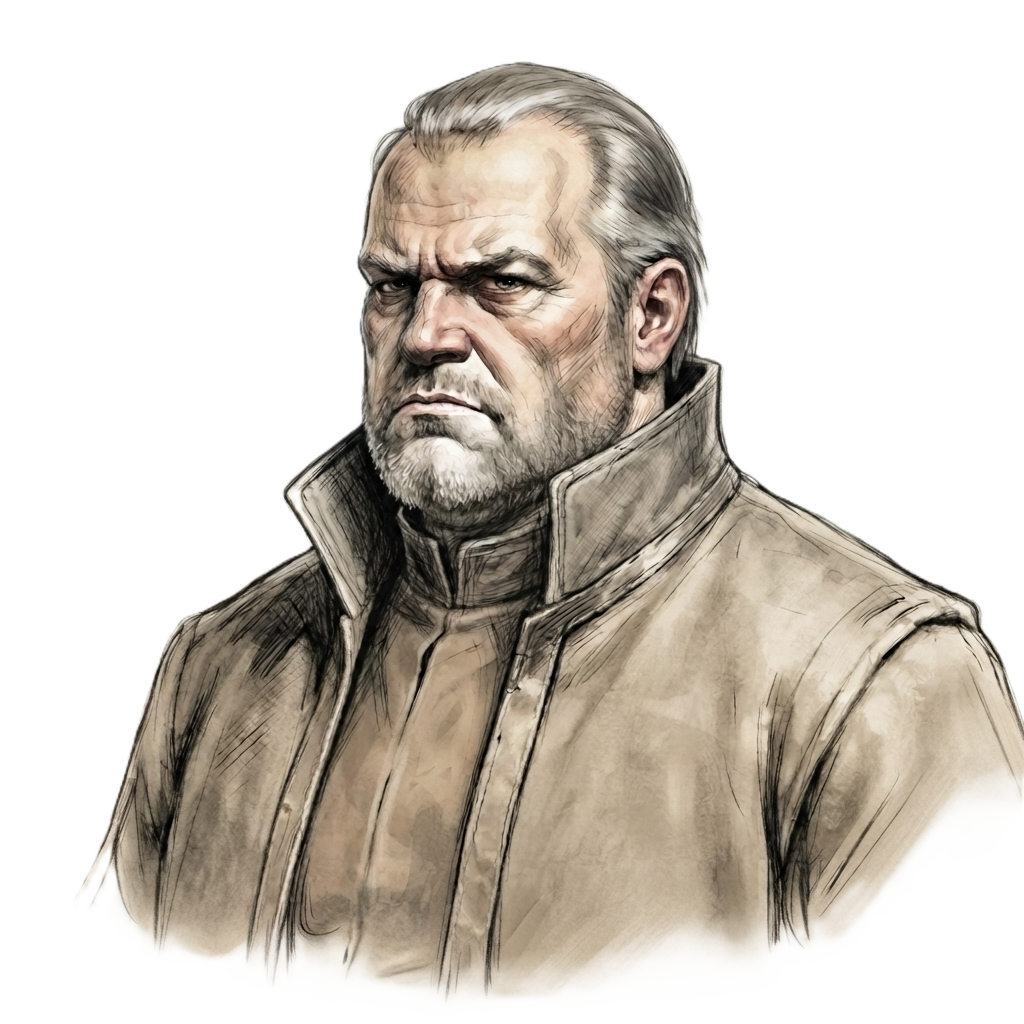
Reinhold Kartova
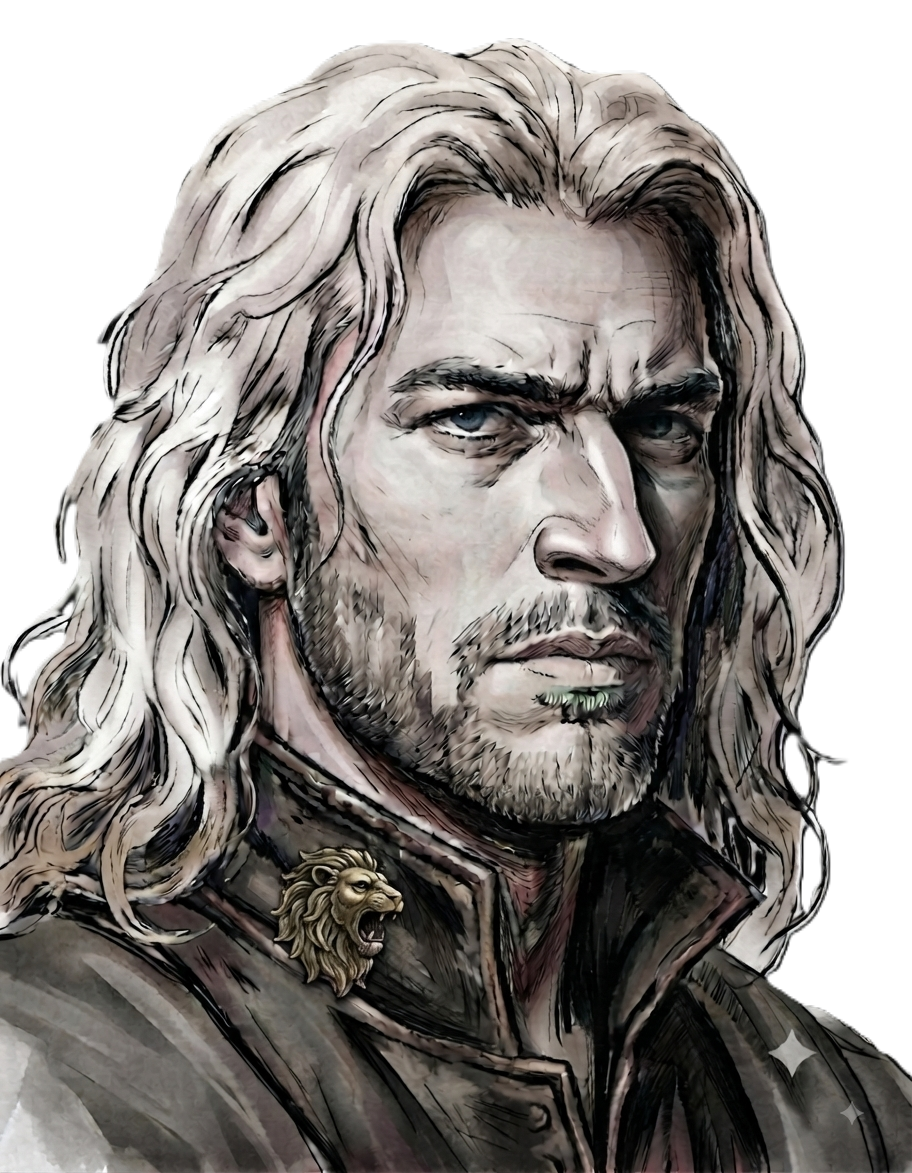
Leo Dilisnya
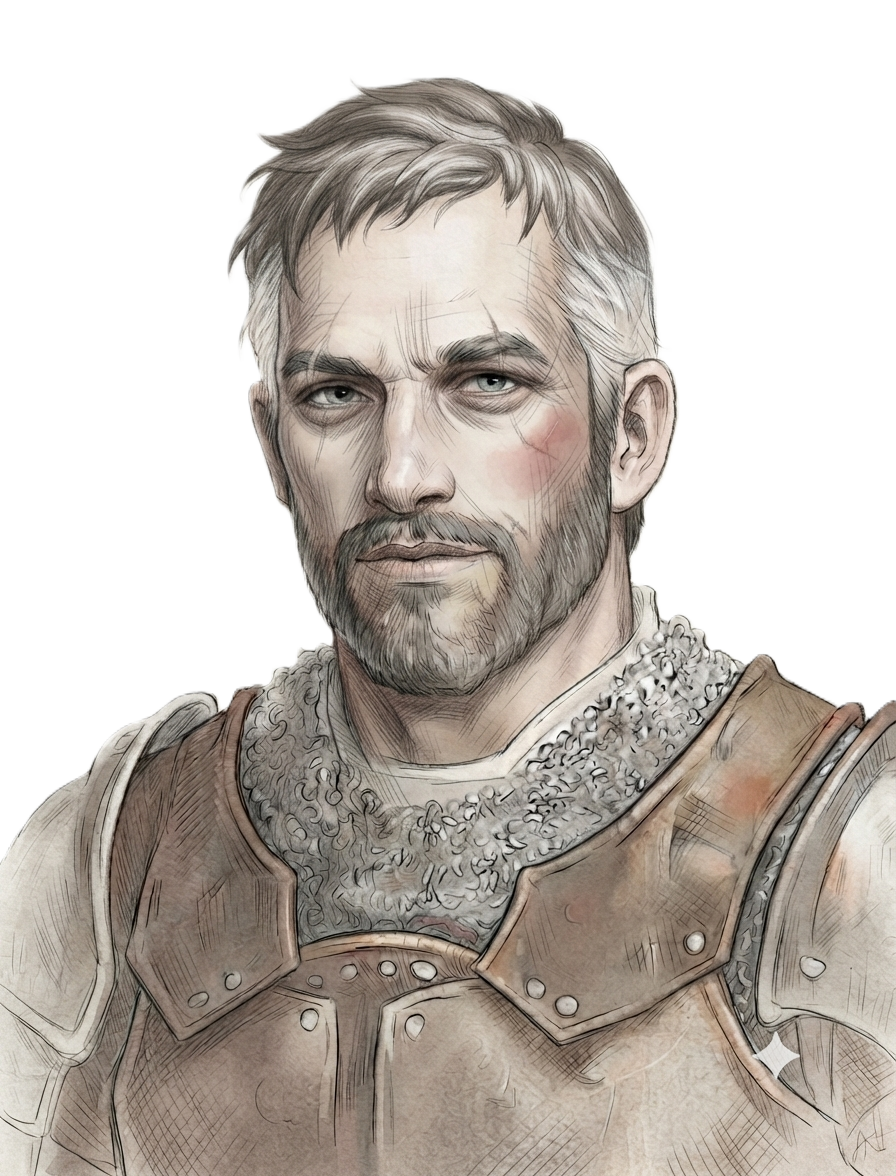
Alek Gwilym
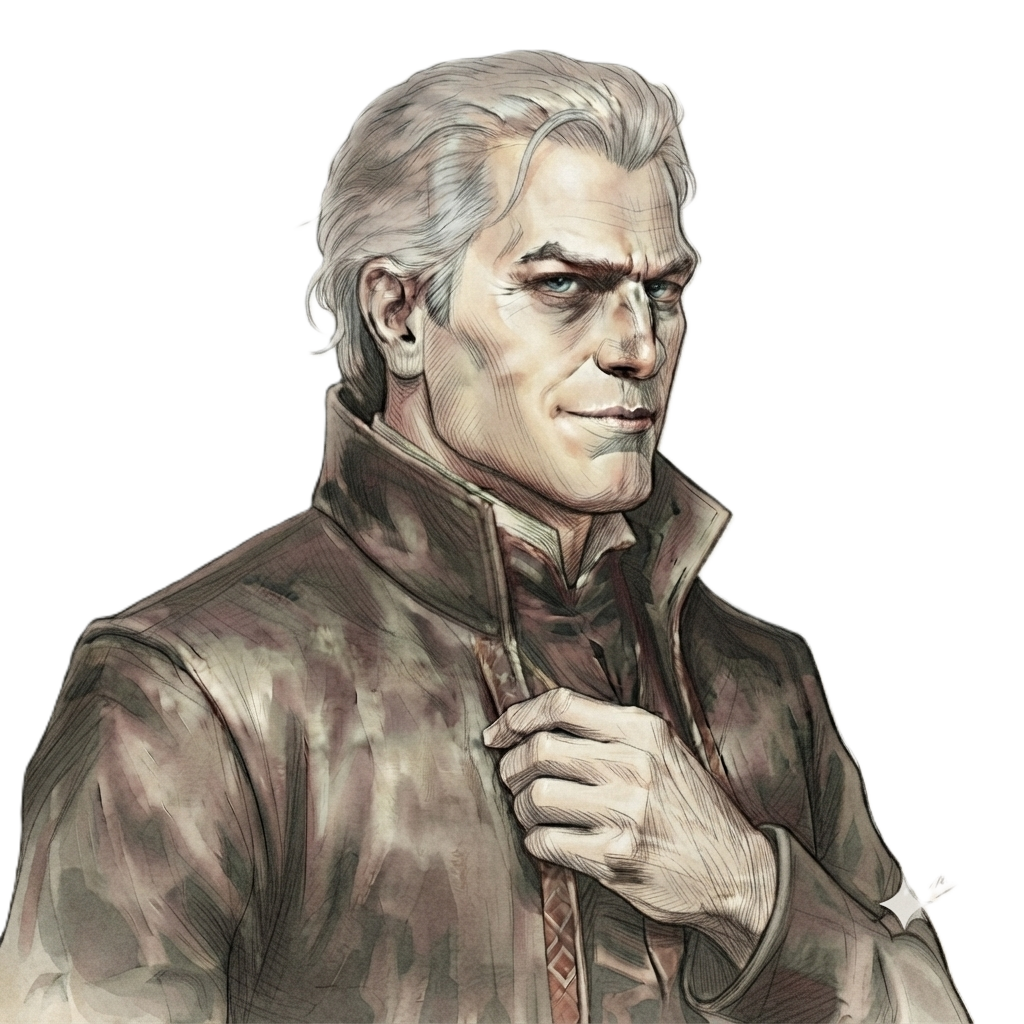
Victor Wachter
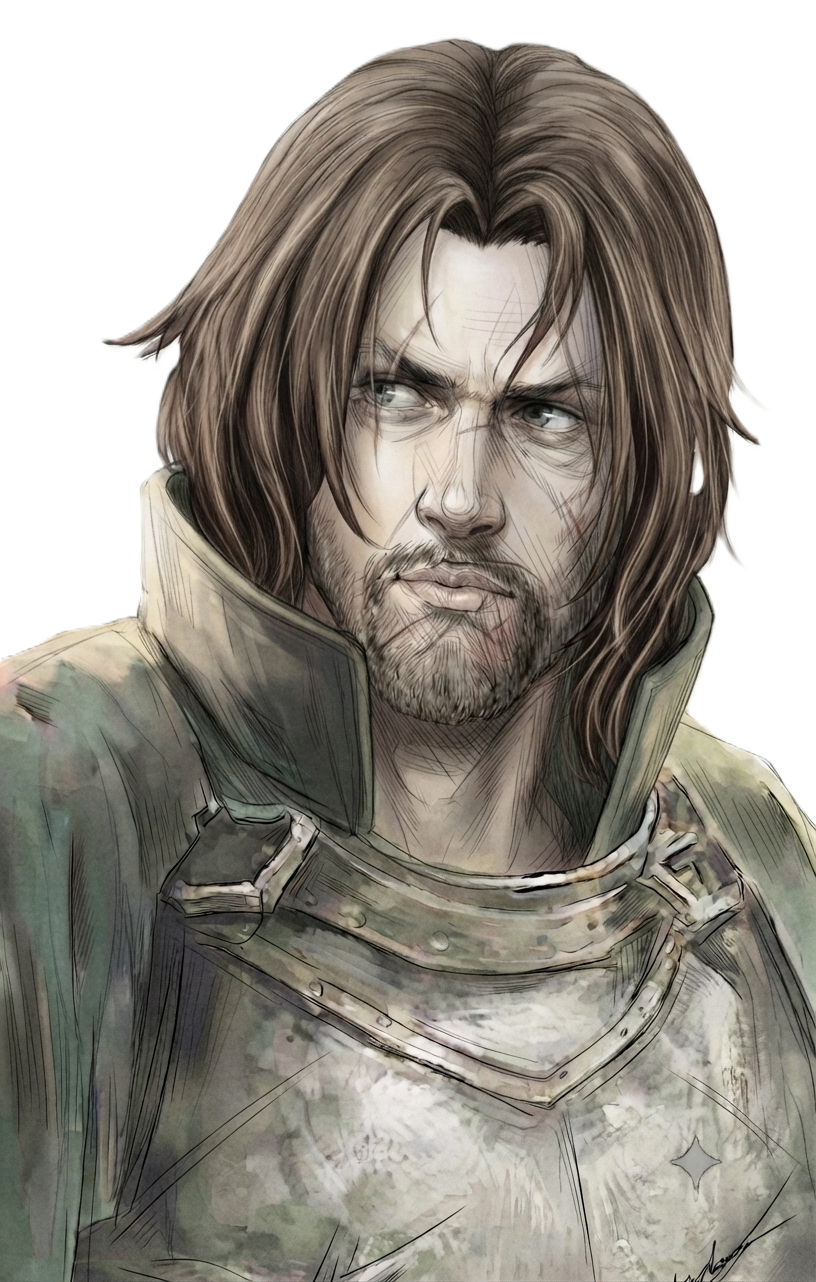
Boris Vallakovich
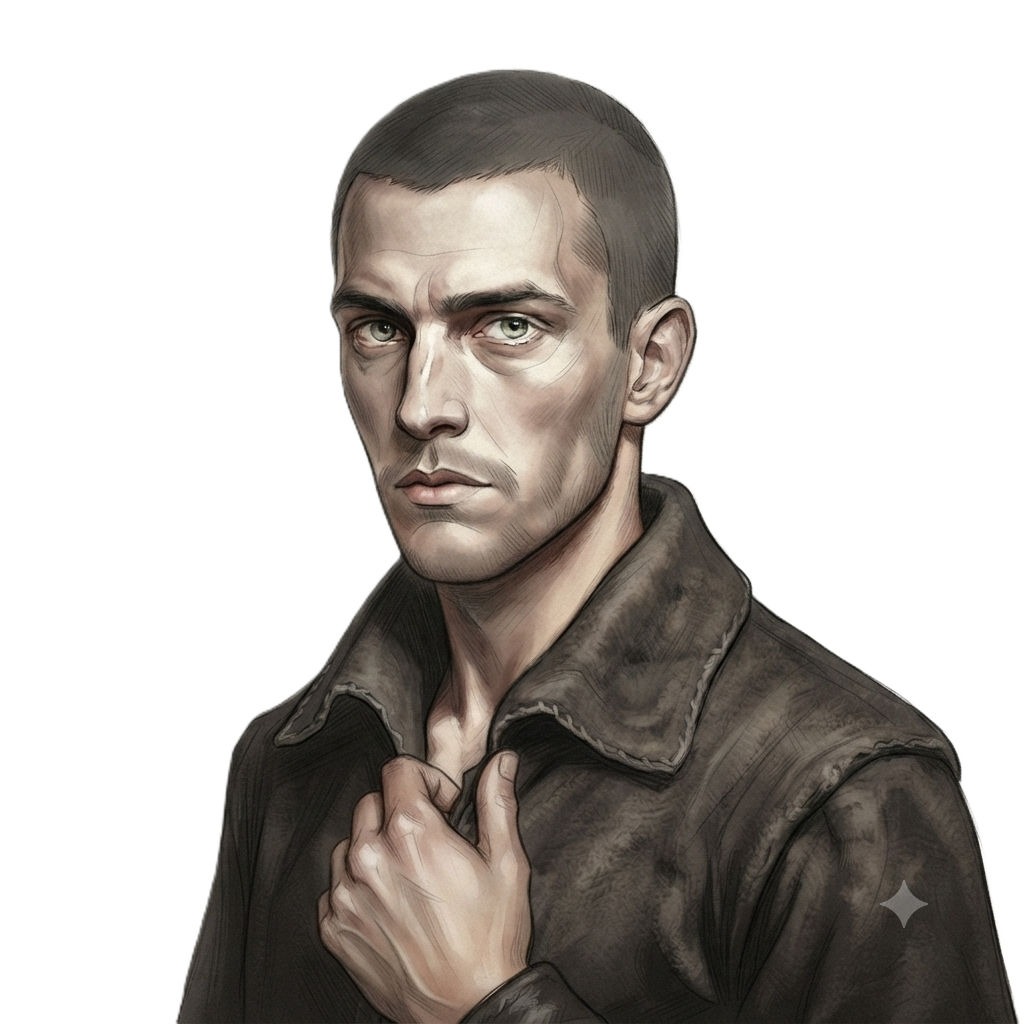
Ilya Buchvold
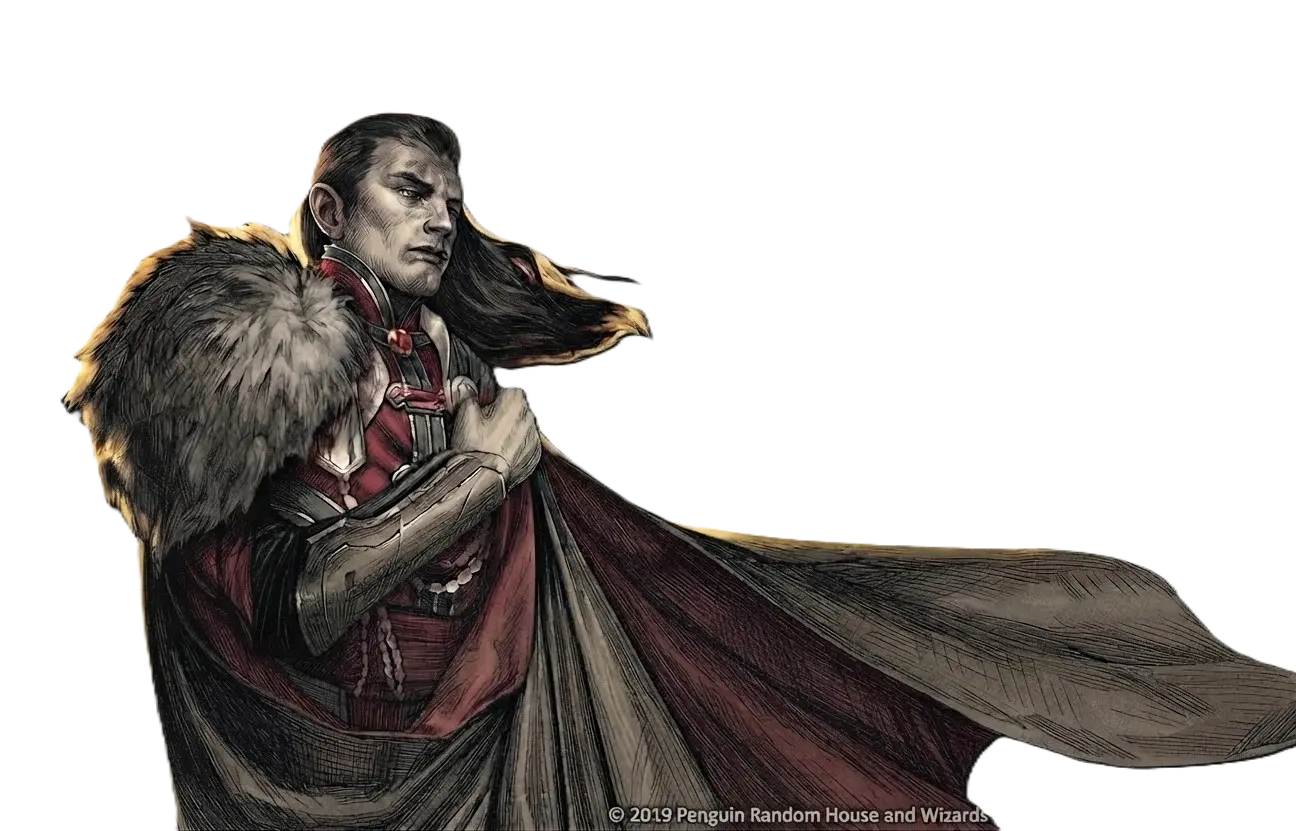
General, Prince, Soldier: Strahd von Zarovich
| Header 1 | Final Vote | Header 3 |
|---|---|---|
| Ilhona Markovia | Mercy | It is over, my lord Strahd. They are defeated. Many threw down the steel they could have died holding. A man who kills what kneels to him hasn't won a war — he's just found a slower way to lose his soul. Let them live, let them go. Let the story that follows you out of this valley be mercy, not blood. You'll need that story more than you need their corpses. |
| Reinhold Kartova* (informed of poisoning) | Execute | Precedent matters, and precedent here is clear: you get one opportunity to surrender. But instead, an insolent king challenged you, ignored your offers, and took to the field. They even had a chance to surrender yet again, and did not take it. Such unrepentants, even disarmed, even surrendered, are dealt with by the sword. That is how it has always been done, by every liege in your family before you, my lord. Departing from custom because it feels better weakens the very law you'll one day need your own boyars to respect and execute. Make the example. Cruel or not, it is about order. |
| Leo Dilisnya | Exectute | My cousin Reinhold speaks of order and precedent. I speak of order and practicality. My lord, we move on soon, and what governs in your absence is not you, but your reputation - for example, your reputation for how you treat those that defy you. A lord who rules in person can afford to be measured; a lord from a distance cannot afford to be anything but certain - especially when he has a rear flank to protect, I might add. Keep a stranglehold first, my lord — firm, without exception. Loosen your grip only when it is clear that your absence is not your abdication. |
| Alek Gwilym | Mercy | Killing them costs us time, costs us morale among the men who'd rather be marching than digging graves, and buys us nothing but a reputation for slaughtering the surrendered — and that kind of reputation, Leo, strategically, is bad, because the next garrison we move on to won't surrender at all. Let them go. It’s not kindness. It’s tactical, and practical, arithmetic. |
| Victor Wachter | Word does travel, I'll grant Gwilym that. But it travels in two directions. Word that you spare your enemies travels as quickly as word that you destroy them — and only one of those words makes the next enemy afraid. The mercy cited by Lady Markovia, er her Holiness, is a luxury a new lord cannot yet afford. Make the example now, my lord. These are war times. You have many peaceful years ahead of you to write a more pacifistic final legacy. | |
| Boris Vallakovich | Mercy | I would counter — with respect, Lord Wachter — that the longest landed families, like us Vallakoviches, know from long experience. And what that experience teaches us is this: a lord who enters a new land with fire and does not temper it, will find himself the lord of smoldering resentments, not subjects. Spare these prisoners, my lord. Think of it like architecture. You are building something. A foundation cannot be made of ash. |
| Ilya Buchvold | I have no argument to offer, my lord. I am genuinely unsure. The tent has spoken. The question you asked has been answered three times in one direction and three in the other. I feel as if that means the choice is for you, not me. And you are not a man who needs permission to act, even from his close advisors. |